

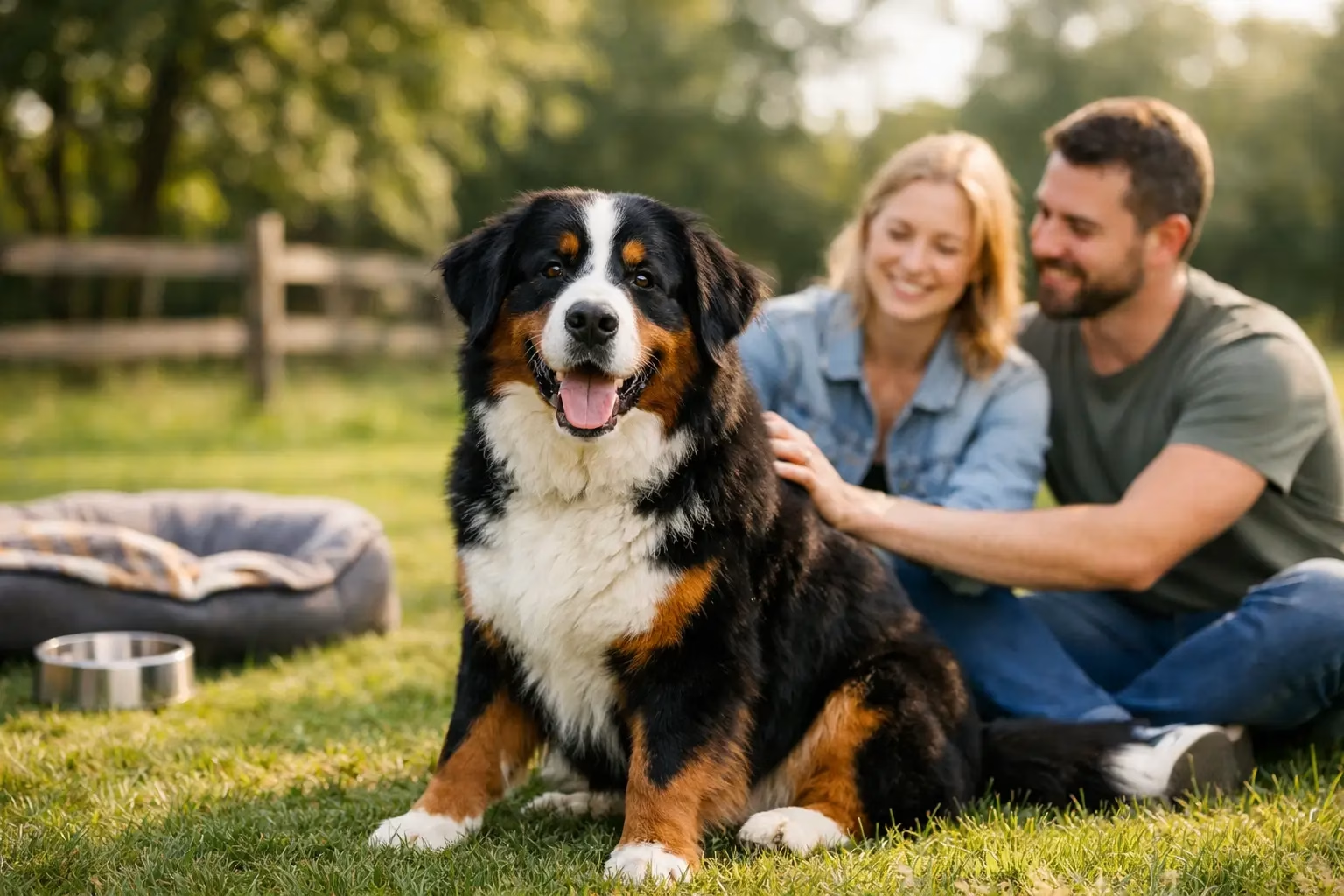
A Bernese mountain dog adoption guide should start with one honest question: are you ready for the real dog, not just the beautiful one? Berners are deeply loving, striking, and wonderfully gentle, but they are also large, expensive to care for, and more medically vulnerable than many families expect. Adoption can be an incredibly rewarding path, especially if you want to give one of these gentle giants a second chance, but it works best when your heart and your planning are equally strong.
Why a Bernese mountain dog adoption guide matters
People often fall for the Berner look first – the tri-color coat, the soulful eyes, the calm expression. What keeps families devoted to the breed is temperament. Many Bernese Mountain Dogs are affectionate, people-oriented, and eager to stay close to their family. They tend to do well in homes where companionship is part of daily life, not an afterthought.
But adoption asks you to look beyond the dream version of the breed. An adopted Berner may come with an incomplete history, previous training gaps, orthopedic issues, anxiety, or grief after losing a former home. None of that makes adoption a bad choice. It just means this is not a breed where you should improvise.
If you are prepared, adoption can be a wonderful fit for experienced dog owners, first-time Berner families who have done their homework, and households specifically looking to help an adult dog rather than raise a puppy from scratch.
Should you adopt a Bernese Mountain Dog?
That depends less on whether you love the breed and more on whether your daily life suits one. Berners usually want to be near their people. They are not a breed that thrives when left alone for long workdays with little interaction. A fenced yard is helpful, but it does not replace time, training, and companionship.
Size matters here too. A full-grown Bernese Mountain Dog can easily weigh 70 to 115 pounds, sometimes more. That affects everything – food budget, crate size, car space, leash handling, grooming time, and the practical reality of helping a sick or aging dog move around. If you adopt a senior or a dog with joint problems, lifting and mobility support may become part of daily life.
Climate is another factor. Berners generally tolerate cold much better than heat, and many struggle in hot, humid areas unless owners are very careful with exercise timing, cooling, and indoor comfort. If you live in a warm part of the US, that does not rule adoption out, but it does mean you need a management plan.
Where to find a Bernese Mountain Dog for adoption
Breed-specific rescue is often the best place to start. These organizations understand the temperament, grooming needs, and common medical issues that come with Berners. They are also more likely to evaluate dogs carefully and match them with homes that can meet breed-specific needs.
General shelters can also have Bernese Mountain Dogs or Bernese mixes, though purebred dogs are less common there. If you go this route, ask careful questions about behavior, medical notes, and what the staff has observed in foster care or kennel settings. Shelter behavior does not always reflect how a dog will act once settled at home.
Owner rehoming situations are another path. Sometimes families surrender a Berner because of housing changes, finances, illness, or life disruptions rather than serious behavior issues. Still, do not assume a private rehoming is safer than rescue. You need the same level of screening, records review, and realism.
What to ask before you say yes
A good adoption decision depends on information, even when that information is incomplete. Ask about age, weight, vaccination status, spay or neuter status, and any known medical conditions. For Berners, you should also ask specifically about hip dysplasia, elbow issues, previous limping, gastrointestinal history, and whether the dog has ever shown signs consistent with bloat or food-related distress.
Behavior matters just as much. Find out whether the dog has lived with children, other dogs, or cats. Ask how the dog handles grooming, car rides, stairs, visitors, and being left alone. Some adopted Berners are easygoing from day one. Others need time and structure to feel safe.
If the dog is in foster care, that is ideal. Foster homes often reveal patterns you would never see in a brief shelter meeting, such as barking habits, separation stress, leash manners, and how the dog settles overnight.
Health realities you cannot ignore
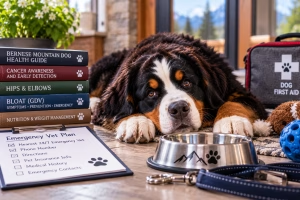
Any Bernese mountain dog adoption guide that glosses over health is not serving the breed honestly. Berners are beloved for a reason, but they are not a low-risk breed. Their shorter average lifespan and predisposition to serious conditions should shape your decision from the beginning.
Cancer risk is one of the hardest truths in this breed. Orthopedic problems are also common, including hips and elbows, especially in large adults and seniors. Bloat is a genuine emergency risk, and every Berner owner should know the warning signs and have an emergency vet plan before the dog ever comes home.
This does not mean every adopted Berner will be medically fragile. Some are wonderfully healthy for years. But the breed carries enough risk that your budget, schedule, and emotional readiness need to reflect real possibilities, not best-case scenarios.
The cost of adopting a Berner
Adoption is usually less expensive upfront than buying a puppy, but that does not make it cheap overall. The adoption fee may be only the beginning. Large-breed food, orthopedic beds, grooming tools, training support, routine vet care, and emergency savings add up quickly.
For Berners, those costs can rise faster because of medical imaging, joint medication, surgery, gastropexy discussions, and senior care needs. If you are choosing between two dogs and one already has known orthopedic issues, that may still be the right dog for your family, but go in with clear eyes. Love does not reduce vet bills.
Preparing your home for adoption success
Before bringing your dog home, set up the basics with intention. Berners do best when the home feels calm and predictable. Decide where the dog will sleep, eat, rest, and decompress. If you have children, talk through respectful boundaries before the dog arrives.
You do not need a perfect home. You do need a manageable one. Secure trash, remove chew hazards, and make sure slippery floors are addressed if possible, especially for older dogs or dogs with mobility concerns. For a large breed, simple things like stair layout and vehicle access can matter more than people expect.
Temperature control is worth thinking through in advance too. These dogs carry heavy coats, and heat stress can become a real issue. Cool indoor space, fresh water, and realistic exercise plans should already be in place.
The first few weeks after adoption
Do not expect instant confidence, even if the dog seems friendly right away. Many adopted Berners are sweet from the start but still unsure underneath. Keep the first weeks steady and low-pressure. Too many visitors, dog park trips, or noisy outings can backfire.
Focus on routine. Feed on a schedule, take consistent walks, and create quiet time every day. Watch appetite, stool quality, sleep, and movement closely. Subtle changes can be the first clue that a newly adopted dog is stressed or medically uncomfortable.
Schedule a veterinary visit early, even if the rescue has already provided care. A baseline exam helps you confirm health status, discuss weight, review joint concerns, and make a prevention plan that fits this breed.
Training should begin gently and immediately. That does not mean drilling obedience for an hour. It means teaching the dog what daily life looks like in your home – where to settle, how to walk with you, how to wait at doors, and how to feel safe.
How to know if the match is right
The right match is not always the youngest dog or the one with the most polished photos. Sometimes the best fit is the calm adult who already loves people, handles grooming well, and wants a peaceful family routine. Sometimes it is the shy dog whose foster notes show steady improvement in a quieter home.
Look for alignment between the dog and your actual lifestyle. If you have very young kids, frequent houseguests, or limited time for medical appointments, be honest about that. A Berner with anxiety, reactivity, or major orthopedic needs may still be wonderful, but only in the right setting.
At Bernese Mountain Lover, we believe loving this breed means respecting its realities. Adoption is not about rescuing a fantasy. It is about welcoming a real dog with real needs and giving that dog the steady, informed care this breed deserves.
A Bernese Mountain Dog can bring extraordinary warmth to a home, especially when adopted with patience, planning, and compassion. If you choose this path carefully, you are not just giving a dog a place to land – you are building the kind of life where a Berner can truly feel safe, cherished, and home.
